


Treating Acne in London
"As acne can leave scars, it is very important to get the right kind of help early and avoid attempting to fix them with inappropriate over-the-counter acne treatment products."
Dr Stefanie Williams, Dermatologist and Medical Director
Eudelo







London Acne Treatments
Acne is part of an extremely common set of problems we see in our London clinic. We know first-hand how stressful acne is for our patients and see the impact that over-the-counter treatments have on them. Acne affects both a patient’s confidence and their quality of life. Take decisive action to get treatment for your acne today with Eudelo’s expert dermatologists.
Acne Treatment at Eudelo London
Whether you suffer from breakouts, spots or severe acne, you should not be tempted into ignoring the them, and should seek treatment from qualified dermatologists as soon as possible.
Acne can continue right the way into adulthood. For long-term acne sufferers the likelihood of scarring increases with age, while the treatment options available are also diminished especially when prescription treatments have not been used to tackle acne from its onset.
Despite the challenges this skin condition presents, Eudelo’s London clinic offers highly effective acne treatments that can help reduce the severity of the spots, while topical creams, washes and antibiotics with Vitamin A can be used to help keep acne under control after treatment begins.
Our Dermatologists can advise on an acne treatment programme that includes deep pore cleansing which can help tackle even the most severe cases of acne. Treatments can also be complemented by ‘collagen induction therapy’ which looks to reduce the size of pores that can become enlarged in severe cases of acne. Take decisive action today and let Eudelo help you to clear your acne for good.
Eudelo offers highly effective acne treatments from their central London clinic.
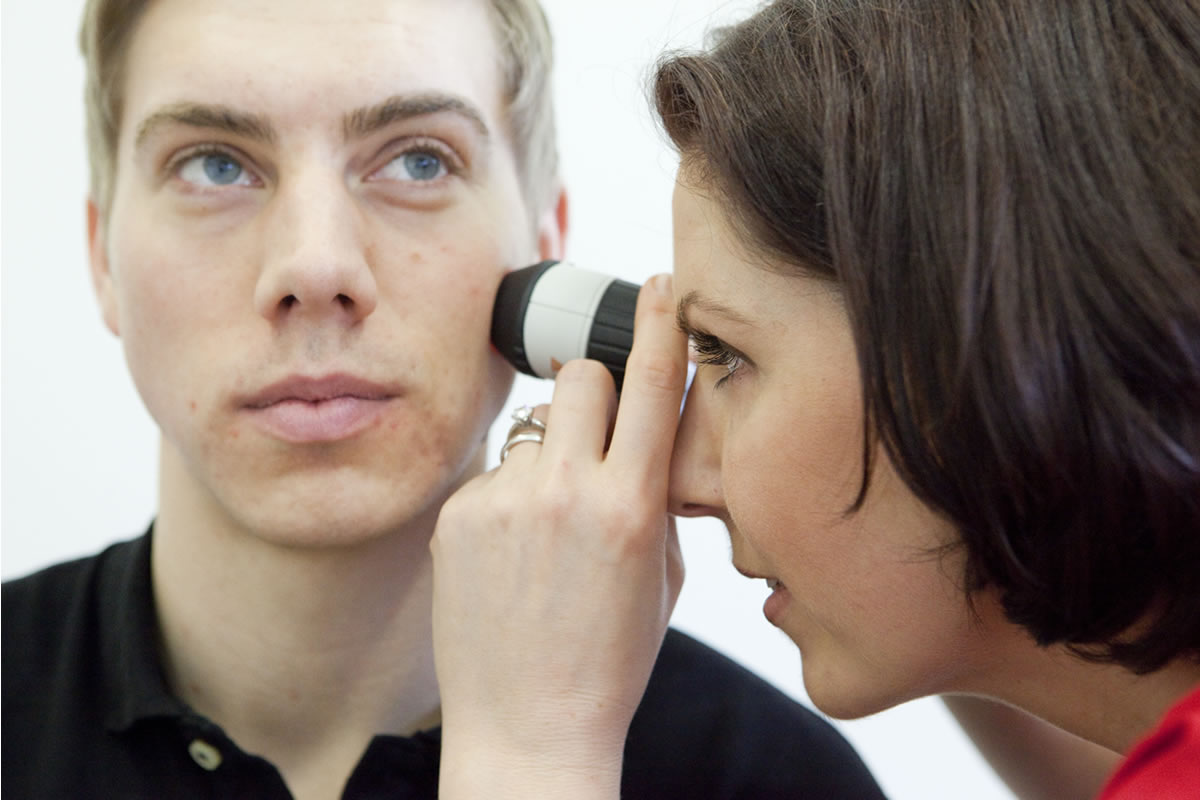
Eudelo offers highly effective acne treatments from their central London clinic.
Patient Testimonials
I have been going to Eudelo for the last 5 years and not only they sorted my acne. I almost have no scars left after that. I first met Meena, the consultant and she planned all the treatments for me. I saw her through the years with further advice on next treatments. Thank you Dr Stefanie and the team. You have me as a patient for life!
I have been going to Eudelo for the last 5 years and not only they sorted my acne. I almost have no scars left after that. I first met Meena, the consultant and she planned all the treatments for me. I saw her through the years with further advice on next treatments. Thank you Dr Stefanie and the team. You have me as a patient for life!
A place with very knowledgeable doctors and therapists who looked after me very well. I had been suffering with acne and acne scars since I was 18years old and Eudelo educated me on how to look after my skin. I was given a range of different options to choose from to treat the scars giving me my confidence back. Highly recommended a visit!

Eudelo clinic location
The Clinic is very conveniently located close to Vauxhall station which means it can be reached easily by Tube, Rail or bus. If arriving by car a secure underground car park is a short walk away.
Have Questions? We have answers
There is no simple answer to this question that’s correct in 100% of cases, as everybody’s skin is different, but generally speaking this type of acne is often caused by internal factors such as hormonal imbalances, combined with a genetic predisposition for acne. This pattern with acne lesions appearing on the jawline commonly appears in women with adult acne, where the acne is often located on the lower face, compared to teenage acne, which more commonly affects the t-zone.
The hormonal imbalances involved in jawline acne include excess androgens (male‑type hormones that women also have) stimulating the sebaceous glands, so more oil is produced, which together with ‘sticky’ dead skin cells and cell debris accumulating in the pore’s exit, clogging up pores and leading to blackheads and whiteheads. Acne bacteria then invade this area, leading to inflamed acne spots and cysts.
Stress, certain contraceptives and hormonal conditions such as PCOS can further tilt the balance towards androgens and intensify jawline breakouts. At the same time, bad skincare choices, including heavy/greasy skincare, skincare rich in silicones or oils, cleansing oils or balms as well as long-wear foundations can aggravate the acne here. In addition, friction from collars, turtlenecks, or phone screens can make things even worse.
To clear jawline acne effectively, the first step is a proper diagnosis from a dermatologist, because jawline breakouts are not always “just acne” – other conditions like folliculitis may look similar yet may need a different treatment approach. Also, because hormonal imbalances are often involved in acne along the jawline, a blood test may be needed to check your hormone levels.
Once the diagnosis is clear, the best approach is a combination plan: prescription creams and (in more severe cases) tablets, optimised breakout‑friendly skincare and small but meaningful lifestyle tweaks, where needed, all work together to get the best long-term outcome, rather than relying on a single ‘miracle product’, which simply does not exist.
In practice, prescription creams are often a combination of a keratolytic (to exfoliate the skin and unclog pores) such as a retinoid (vitamin A derivative), combined with antibacterial creams that also often have anti-inflammatory benefits. There is now also an anti-androgen cream available that helps counteract the acne promoting properties of male hormones in the skin. These creams are used as ‘field’ treatments, meaning they are applied over the entire affected area in order to prevent new spots coming up. In addition, a “spot emergency” cream containing for example benzoyl peroxide can be used on targeted lesions to help bring down existing inflamed bumps. Alongside this, a carefully curated skincare routine with non‑greasy products low in oils and silicone derivatives is essential, while comedogenic skincare, primers, heavy make‑up, facial oils and pore‑clogging hair products around the jawline should be avoided.
With regards to prescription tablets for more severe cases of jawline acne, in addition to the usual acne antibiotics and vitamin A acid tablets (‘Roaccutane’, ‘Accutane’, containing isotretinoin), there are also options of anti-androgenetic tablets containing for example cyproterone acetate or spironolactone to lower the influence of male hormones.
Persistent jawline breakouts in adult women often act as a visible clue that androgens (male hormones) may be playing too large a role in the skin, compared to female hormones. This can be the case locally in the skin, even if blood tests sit technically within the normal range. In true hormone‑driven adult acne, the sebaceous glands in the lower face may be particularly sensitive to testosterone and related male type hormones, so jawline acne may not always be accompanied by fluctuations in the menstrual cycle, or be triggered by stopping or changing a contraceptive pill. This sensitivity is often due to an increased density or sensitivity of androgen receptors in the sebaceous glands, leading to excess sebum (oil) production with development of inflamed acne lesions.
A dermatologist may recommend hormone blood tests to double check your hormone levels. This should not only include a total testosterone level, but also free testosterone, as well as DHEA‑S and female hormones. Should they find a hormonal imbalance in your blood, the dermatologist may liaise with an endocrinologist to see whether PCOS or other endocrine issues may be present. Even if no abnormality is found in your blood hormone levels, therapeutic strategies that tone down androgen activity in the skin – such as specific contraceptive pills, other anti‑androgenic tablets or a topical anti-androgen cream – can be helpful when combined with keratolytic and antibacterial prescription creams, plus the right skincare.
Cystic acne on the jawline refers to deeper, inflamed acne lesions such as deep nodules and cysts that sit under the skin surface rather than more superficial inflamed spots (papules and pustules). These deeper lesions arise when the follicle wall of a clogged pore ruptures deeper in the dermis, spilling keratin, sebum, pus and bacteria into the surrounding tissue and triggering a vigorous inflammatory response, which is why these bumps feel painful and look swollen and red.
The risk of permanent scarring is higher with deeper, more inflamed acne cysts compared with smaller, more superficial pimples. For that reason, jawline cysts warrant prompt dermatological care. It’s important to treat this form of acne before scarring occurs. However, because cystic acne lesions are located deeper within the skin, topical treatment is often unable to get down all the way to where the inflammation is, so you may find that acne creams may not be particularly effective in cystic acne along the jawline. In many cases of cystic jawline acne, oral treatments such as acne antibiotics, anti‑androgenic tablets, or isotretinoin (vitamin A acid), tailored to the individual and monitored carefully, may be needed, as these are able to get down to where the problem lies within the skin.
Yes, cystic jawline acne is a more severe, deeper seated type of acne and behaves quite differently from mild comedonal or papulo‑pustular breakouts. While all acne starts with a clogged pore, in cystic disease the inflammation extends much deeper into the skin, leading to larger nodules and cysts that are more painful, last longer and have a greater tendency to leave scars or stubborn marks.
Because of this deeper and more intense inflammatory activity, cystic jawline acne rarely responds to over‑the‑counter products and often not even to prescription creams, but often needs an oral prescription treatment. However, skincare still matters, as with all forms of acne, as heavy, lipid rich creams, oils, or balms, as well as silicone‑heavy formulas can fuel further clogging and undermine even the most sophisticated prescription plan.
The main difference lies in what is driving the problem and how the pattern presents. Forehead and T‑zone acne is often more linked to overall excess sebum (oil) production, and is often more prominent in teenagers and oily skin, whereas in adult women, lower face, chin, and jawline breakouts tend to be more hormonally influenced. Lower face acne in adult women also often shows fewer blackheads and whiteheads compared to teenage acne, and skin may even feel sensitive and/or “dry” (although often that’s not true dryness, but a sign of micro-inflammation in the skin).
Moreover, the jawline, neck, and chin area are prime friction and occlusion zones (think collars, turtlenecks, scarves, phone screens, masks and hair touching the skin), which can all contribute to the problem.
This means women with adult acne may have clear cheeks, nose, and forehead, yet struggle with recurrent, cyclical flares along the jawline, chin and possibly neck, if hormones, local occlusion and genetic predisposition line up against her.
Some women inherit a genetic predisposition for their oil glands to be more hormonally sensitive in the lower face, so the jawline and chin may become the ‘weak spot’ where breakouts tend to surface in cases of adult acne. And while lower face acne may also arise in cases of hormonal imbalances in the body, it’s possible that your hormone blood levels are completely normal, and yet you still suffer with lower face acne, which is typically connected to a relative excess of male hormones.
Subtle mechanical friction from collars, turtlenecks, sports straps or even resting the chin in the hand can further aggravate this zone, particularly if the pores are already clogged from skincare rich in oils or silicone derivatives. However, this only becomes a problem, when a hormonal and genetic backdrop that favours acne formation is present, so it’s not a problem for everybody.
Hydration matters for overall skin health, but water intake alone will not treat acne in the way a prescription retinoid or targeted antibacterial can. Drinking enough water helps maintain skin barrier integrity, improves circulation, supports detoxification processes, and supports nutrient delivery to skin cells, which can help skin function better, yet acne is primarily driven by follicular clogging, excess sebum production, bacterial overgrowth and inflammation, none of which are switched off simply by drinking more water.
Where hydration does play a role is as part of a skin supportive lifestyle: keeping to a balanced diet, low in glycaemic‑load, processed foods, and pro-inflammatory polyunsaturated fats, as well as limiting sugary drinks, juices and alcohol, while favouring water and unsweetened teas will create a more favourable internal environment for any acne treatment plan. In short, water is an important foundation, but clearing breakouts still requires a proper diagnosis by a dermatologist, evidence‑based topical and/or oral treatments and breakout‑friendly skincare choices.
A sensible target for most adults is in the region of 1.5–2 litres of fluids a day, adjusted for body size, activity level, climate and any medical conditions that influence fluid needs. This amount helps maintain good hydration for the body, so the skin can function optimally, but drinking beyond physiologic needs will not ‘flush out’ acne, or compensate for a lack of proper acne treatment or an unsuitable skincare regime.
If you are prone to breakouts, it is far more impactful to combine adequate hydration with a low glycaemic load way of eating, avoiding processed foods, and pro-inflammatory polyunsaturated oils, and an intelligent prescription as well as skincare plan, rather than fixating on a specific water number as the main acne solution.
PS. Anyone with heart, kidney or other medical issues should always follow their doctor’s guidance on fluid intake limits.
Increasing your water intake alone will not clear your acne, so there is no timeframe in which simply increasing hydration would make spots disappear.
In contrast, well‑designed prescription regimens for acne typically take around 2–3 months to show clear, visible improvement and up to 6 months for full effects, assuming your skincare is aligned with, rather than fighting against, the treatment.
By all means, aim for steady, appropriate hydration, but see it as one small supportive pillar alongside medical therapy, non‑comedogenic skincare low in oils and silicones, and certain lifestyle measures, not as the main actor in your acne story. Expecting water to deliver the same results as targeted dermatology care will only lead to frustration and delay you getting the help that truly changes your skin.
Whey protein does not cause acne as such, but in predisposed individuals, whey protein has the potential to worsen acne or possibly trigger the onset of acne. However, this is only the case in individuals with a prior history of acne or a genetic predisposition for acne, not the whole population.
The suspected mechanisms include increased levels of insulin and insulin-like growth factor-1 (IGF-1) that can be induced by whey protein. Both elevate sebaceous (oil) gland activity and keratinocyte proliferation, which are molecular pathways also observed in the development of acne. Whey, as a derivative of dairy, can in some cases also influence androgen activity, another factor in acne development. Flavoured, sweetened and mass gainer formulas may have greater acne inducing potential due to additional sugars and additives, although the primary association seems to be related to the whey protein itself.
However, not everybody will develop acne when they consume whey protein, so we don’t recommend a strict whey protein avoidance as a standard measure, but rather a more nuanced approach. If you suffer with stubborn acne and are consuming whey protein, then it may be worth a trial of stopping the whey protein for a few weeks (ideally 2-3 months), and see whether this makes a difference. As acne is a slow responder to treatment, we would recommend not just stopping for a few days, as you may not see the full effect in such a short period of time. If you notice a clear pattern of flares when you start or increase whey shakes, then see clearer skin once you stop or swap to non‑dairy alternatives, then it would be a good idea to stay off them.
Most good quality protein is not the enemy of your skin - in fact, adequate intake of high quality protein is important for tissue repair and overall skin health. The concern is less about protein in general but more about specific sources, especially certain dairy‑based powders (eg whey or casein protein) and highly processed, high‑glycaemic, sweetened protein shakes that can spike insulin, insulin-like growth factor-1 (IGF-1) and mTORC1 activity, which can worsen an already pro‑inflammatory milieu in acne‑prone individuals, elevate sebaceous (oil) gland activity and keratinocyte proliferation.
Most people do perfectly well with fish, eggs, organic meat or thoughtfully combined plant proteins, even when acne‑prone, and we do not recommend a low-protein diet as a standard measure. However, for someone whose breakouts clearly surge when ingesting whey protein powder, switching to alternative protein powders such as pea, rice, hemp or mixed plant blends may allow them to keep their protein goals without feeding their spots. Having said that, overall we recommend natural foods with high quality, unprocessed sources of protein, rather than processed protein powders!
Lactose‑free whey may potentially still aggravate acne in predisposed individuals, because the issue is usually the whey or casein protein fraction with its possible hormonal and metabolic effects, not the milk sugar lactose. Removing lactose may help people with digestive symptoms triggered by lactose, but it does not remove the insulin‑ and IGF‑1‑modulating effect of whey or casein protein itself, so those prone to whey or casein related breakouts often find lactose‑free versions make no difference to their skin.
If you find that dairy‑based protein powders correlate with acne flares, a more meaningful trial would be to switch to non‑dairy proteins, rather than simply choosing “lactose‑free” on the label and expecting a difference.
Firstly, no protein powder causes acne as such. However certain protein powders have the potential to worsen acne or possibly trigger the onset of acne, but only in individuals with a genetic predisposition for acne, not everybody.
With regards to which protein powder has the lowest risk, no single protein powder is universally ‘acne‑proof’, but you may find that plant‑based options such as pea, rice, hemp or plant blends are less likely to trigger breakouts than diary based whey or casein. The lowest risk candidates are also unsweetened and have a low glycaemic index/glycaemic load, as sugar can potentially also worsen acne.
As always, the protein powder is only one variable – if skincare is pore‑clogging or prescription treatment is missing, even the best protein will not compensate.
There is no simple answer to this question that would be correct in 100% of cases, as everybody’s skin is different, but generally speaking acne along the jawline is often caused by internal factors such as hormonal imbalances, combined with a genetic predisposition for acne. The hormonal imbalances involved in jawline acne include excess androgens (male‑type hormones that women also have) stimulating the sebaceous glands, so more oil is produced, which together with ‘sticky’ dead skin cells and cell debris accumulating in the pore’s exit, clogging up pores and leading to blackheads and whiteheads. Acne bacteria then invade this area, leading to inflamed acne spots and cysts. It’s often around ovulation and the pre‑menstrual phase, or when coming off certain contraceptive pills, that sebaceous glands in the lower face may respond stronger to male hormones.
Stress with surges in cortisol, insulin resistance (i.e. blood sugar regulation issues), and hormonal conditions such as PCOS (polycystic ovary syndrome) can also intensify jawline breakouts. At the same time, bad skincare choices, including heavy/greasy skincare, skincare rich in silicones or oils, cleansing oils or balms as well as long-wear foundations can aggravate the acne here. In addition, friction from collars, turtlenecks, or phone screens can make things even worse.
‘Fungal acne’ is a misleading laymen’s term for Malassezia (a yeast type fungus) folliculitis, an inflammation of the hair follicles caused by overgrowth of a yeast that naturally lives on our skin. In contrast to real acne (acne vulgaris), which is very common, this condition is much less common and typically presents with itching.
Malassezia folliculitis tends to flare in warm, humid environments and climates, with heavy sweating, tight or occlusive clothing and when rich, oily skincare, sunscreens or make-up is used, which can act as a feast for this yeast. It is more prevalent in young compared to older individuals, and more common in men, especially when oily skin is present.
Broad‑spectrum antibiotics and high‑dose steroids can also sometimes disrupt the normal skin microbiome and immune balance, making it easier for yeast to proliferate.
In such cases, standard acne treatments can fall short, which is why an accurate diagnosis is important.
Malassezia folliculitis typically presents as crops of small, uniform (monomorphic) bumps and pustules that can be quite itchy rather than painful. The bumps all look very similar and may sit on a background of normal skin or mild redness. It often appears on the forehead, hairline, upper back, chest and shoulders where sweat and occlusion are common. Unlike real acne (acne vulgaris), there are usually no true comedones (blackheads or whiteheads), and lesions can appear suddenly after a trigger such as a hot holiday, new heavy moisturiser or sunscreen or a course of broad-spectrum antibiotics or high-dose corticosteroids.
The condition may be misdiagnosed as “acne,” when it’s seen by a non-dermatologist, which can delay effective antifungal treatment. Itching out of proportion to the amount of redness is a helpful clinical clue that yeast, rather than acne bacteria, may be the cause.
Malassezia species (a yeast type of fungus) are part of the normal skin flora in most people, so in that sense the yeast itself is not a foreign invader that spreads like a typical infection with pathological microorganisms. What is ‘contagious’ is more the environment: sharing tight, sweaty sports gear, not washing occlusive clothing or equipment properly, and applying the same rich, oily products across family members or team‑mates can create conditions in which yeast may thrive on several people at once.
However, developing Malassezia folliculitis also requires an individual predisposition, so not everyone in contact with the same yeast under the same conditions will break out. Rather than worrying about everyday contact, the priority is to optimise the skin environment including treating overly oily skin, review the skincare regime with switching to lighter weight products, and use appropriate antifungal treatment where needed.
Malassezia folliculitis can spread in terms of extent on the body if the underlying triggers are not addressed and treatment is delayed. What might start as a patch of small, itchy bumps on the forehead or upper back can extend across the chest, shoulders and hairline, particularly in hot, humid conditions or with ongoing use of occlusive skincare and/or clothing.
However, the condition does not spread amongst groups of people, like other skin infections do (for example impetigo). The reason is that malassezia species are part of the normal skin flora in most people, so in that sense the yeast itself is not a foreign invader that spreads like a typical infection with pathological microorganisms. What may be ‘contagious’ is more the environment: sharing tight, sweaty sports gear, not washing occlusive clothing or equipment properly, and applying the same rich, oily products across family members or team‑mates can create conditions in which yeast may thrive on several people at once.
Early recognition and a switch to less occlusive, lighter weight skincare, together with appropriate antifungal treatment, helps halt spread and restore clear skin.
Malassezia folliculitis rarely resolves completely while the environment that favours yeast overgrowth remains unchanged. Even if flares seem to wax and wane, they often recur in the same pattern once the weather warms up, sports gear goes back on, or rich, oil‑heavy skincare products are used.
Targeted treatment, such as antifungal creams where appropriate, plus a move towards lightweight skincare low in oils and silicones, breathable clothing and better sweat management, is usually needed to break the cycle. Without that, ‘waiting it out’ tends to prolong discomfort, itching and cosmetic impact unnecessarily.
There is growing evidence that supporting a healthy gut and skin microbiome may be a helpful addition for controlling chronic inflammatory skin conditions such as acne. Oral probiotic supplements, certain prebiotic‑rich or probiotic foods, and carefully formulated topical probiotic blends may help modulate inflammation and help rebalance the skin’s microbiome, which in some people translates into clearer, less reactive skin and fewer inflammatory acne lesions. Although it’s by no means a miracle cure for acne, it’s something worth considering as an addition to your treatment regime.
Potential benefits include dampening inflammation, supporting a healthier skin barrier and a more balanced skin microbiome. From a practical perspective, probiotic support may help the skin feel less reactive, improve resilience during antibiotic courses for acne, and complement the broader lifestyle and dietary measures recommended in a holistic acne plan.
The most effective acne scar care is delivered by dermatologists who treat scars every day and have a full toolbox of technologies to choose from, not just a single favourite device. Eudelo are experts in treating acne scarring. The treatment of acne scarring is approached in a staged, highly individual and tailored way. Your dermatologist will assess whether your scars are mainly rolling, boxcar, ice pick, or the hypertrophic type, and whether they are tethered and/or pigmented, or a combination thereof. Based on your scaring type, they will then select from advanced therapeutic options such as lasers or other energy‑based devices, advanced medical needling with growth factors, subcisions, targeted peels, and/or carefully chosen injectables. If this is not the case, you are not seeing the best dermatologist for acne scarring.
The best dermatologist to see for acne scarring also means seeing somebody who is an expert in both medical and aesthetic dermatology. This blend of medical and aesthetic expertise means treatments are not only aimed at calming your acne, but also at optimising the appearance of your skin once the active acne is cleared, which is vital for best overall outcomes. So you will need a dermatologist, who is passionate about not only the medical side of dermatology, but also the cosmetic side, understanding how important the latter is for their patients feeling skin confident.
If you are looking for an acne specialist rather than general skin advice for uncomplicated skin, a dermatologist‑led clinic is absolutely essential. Eudelo is based in Central London and dedicated to medical and aesthetic dermatology, with acne and breakout‑prone skin forming a major part of the daily clinic work.
All dermatology acne assessments are carried out by specialised dermatologists. Your treatment plan may include prescription treatment, dermatology‑grade facials, skincare coaching and lifestyle advice all under one roof. Most importantly, Eudelo dermatologists are also experts in treating acne scarring! This makes it easier to stay consistent and to adjust treatments as your skin improves, without constantly starting again somewhere new.
For the best private acne care in London, look for a dermatology clinic, where board‑certified dermatologists lead the decision‑making, and where acne is seen as a complex medical condition to be taken seriously, rather than a cosmetic concern. Eudelo is one such clinic: consultations with our expert dermatologists are longer and more detailed than most standard appointments, so there is time to explore your medical history, hormones, medications, skincare habits, diet and stress levels before deciding on your treatment plan.
Because Eudelo is fully independent and acne focused, you have access to a wide range of regulated prescription medicines and creams, dermatology grade acne facials, cosmeceutical skincare and many in‑clinic technologies, all curated with safety and results in mind. This holistic approach is delivering not only skin clear from active acne, but also looking its very best with acne scarring treated as well. Follow‑up support, in person or remotely, helps you stay on track and adjust the plan as your skin evolves.
The most skin‑friendly drinks are those that hydrate without driving up blood sugar levels and insulin, adding to systemic inflammation. Plain still or sparkling water, unsweetened herbal infusions, green or white tea are excellent everyday choices. Limit sugary soft drinks, fruit juices (which are essentially glorified sugar water) and syrup‑laden shakes or coffees. Having said that, even if you are benign very good with your drinks and diet overall, your acne is unlikely to clear, as usually, genetic and hormonal influences play a more significant role than what you drink and eat.
With regards to milk, go for organic full-fat, rather than skimmed, as the latter is higher in natural sugar. For those who are dairy‑sensitive (not everybody with acne is!), cutting back on milk‑heavy drinks and swapping to non‑dairy alternatives such as almond milk (avoid soja, rice and oat milks) may reduce flares, especially when combined with a low glycaemic way of eating. However, again, this may not be the miracle cure you were hoping for.
There is no magic shake or acne diet, but a low glycaemic pattern of eating that is low in sugar and starch, cautious with certain dairy products if you react to them (not everybody does!), and rich in colourful vegetables, healthy fats and high quality protein is supportive of skin health. When talking about ‘healthy fats’, we mean things like olive oil, fish, nuts and avocados, as well as high quality saturated fats including coconut oil (eating that is, never use coconut oil topically on your skin!) and organic animal fats. Avoid pro-inflammatory polyunsaturated fats like sunflower, safflower, soya and vegetable oils. Some people benefit from moderating whey and casein based protein powders (not everybody reacts to them though, you will need to try it out), and from including fermented foods or probiotics to support gut health.
Any dietary strategy works best when it complements a solid treatment plan by a dermatologist, rather than replacing it, and adjustments are ideally made with guidance from a dermatologist who understands both nutrition and acne.
Some people simply inherit skin that’s less prone to inflammation, produces less sebum (oil), has less of a tendency for clogged pores and/or is less sensitive to hormonal shifts, so the entire acne cascade is less likely to switch on. Their follicles may shed dead skin cells in a more orderly way and their immune system may react less aggressively to skin bacteria, so blocked pores and inflamed spots are less likely to develop. So in most cases it’s simply a matter of ‘lucky genetics’.
However, lifestyle and skincare habits also matter to some extent. If someone with less ‘good skin genes’ eats in a skin‑friendly way, avoids pore‑clogging skincare products (this is much more important than you may think, and the majority of people get it wrong!) and can regulate their stress levels well, they may move through adolescence and adulthood with only the occasional, short‑lived blemish. Having said that, don’t beat yourself up, if you are doing everything right, but still suffer with acne breakouts, as the genetic predisposition is the most important aspect in most cases.
Related articles: Treating Acne
The five main types of facial pigmentation: Why diagnosis matters
February 5, 2026Why the viral beef tallow trend belongs in your kitchen, not on your face
February 2, 2026When your GP gets it wrong: common rosacea treatment mistakes (and how to fix them)
February 1, 2026Do Retinoids Really Thin Your Skin?
November 18, 2025our Doctors Are Proud Members Of