

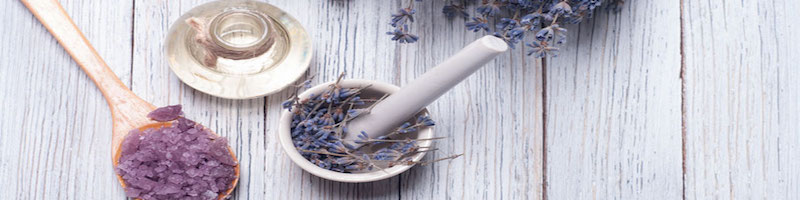
As a dermatologist I would advice against using home-made cosmetics. They are not evidence based and in my opinion are usually inferior in their effects. Or even worse – in some cases they might be harmful for your skin. I have seen patients in clinic who tried all sorts of home remedies – mostly not effective, some even aggravating their problem (or causing a new one!).
For example why would you want to put turmeric in yoghurt on your breakouts, if there are highly effective, thoroughly tested acne prescription creams available, which do a much, much, much better job?
Or why would you want to use some home-made anti-ageing cream, which doesn’t really do more than moisturizing your skin, if you could use highly effective, evidence based anti-ageing cosmeceuticals, which are available on the market?
Good, evidence based cosmeceuticals have gone through extensive product development and have been thoroughly tested, before going on the market. If you mix something in your kitchen at home, you can never achieve a high quality product with the same benefits as a well formulated professional product.
There are so many factors influencing how well a product will work, including concentration of the ingredients, pH value of the formulation, stability of the ingredients, penetration characteristics into the skin, interactions with other ingredients etc., which are practically impossible to judge and predict at home.
The first hurdle to overcome is in fact skin penetration. If you want more than simple moisturizing effects, you need to be sure that your active ingredients are actually penetrating into the skin. However, that’s not as easy as it sounds, as nature has created the skin to keep things out, in order to protect us! (and it does that job very well…)
In fact, cosmetic formulators have a notoriously difficult job designing formulations that are stable, contain the active ingredients in high enough concentration and actually penetrate the skin in meaningful quantity.
But that’s only one side of the story. The other potential problem is that you might inadvertently create something that’s actually harmful for your skin. If your cream for example has a too alkaline pH value, it might harm the skin’ barrier function which may lead to irritation and contact dermatitis.
Also it’s a myth that ‘natural’ ingredients are always safer than ‘chemical’ ones – many natural plant ingredients are actually highly allergic and are more likely to cause an allergic contact dermatitis over time.
Furthermore, your formulation might not be save from microbial contamination (have you tested your product for that?), if it doesn’t contain a preservative of some sort. Preservatives have an important function in creams, as they prevent bacteria and fungi from infesting the product. For bacteria, our moisturiser is near ideal environment to live in and who wants to use germ-infested creams?
You see, lots of potential pit falls…
Unfortunately we just can’t compete with a high-tech lab with all their equipment and lots of money to spend, in order to make sure that the cream is not only effective, but also is safe.
In summary, I would advice to stay away from home-made skincare (as lovely as it sounds…). If you don’t tolerate the shop bought items, it simply means you haven’t been advised correctly (very common…) and haven’t found the right one yet. Best to see a dermatologist to get a tailored skincare regime suitable for your skin, which is save and has long-term benefits for you and your skin.
Whether you have a medical skin condition which needs treatment or simply want to look your very best, our specialised dermatology team will help you achieve the very best result.